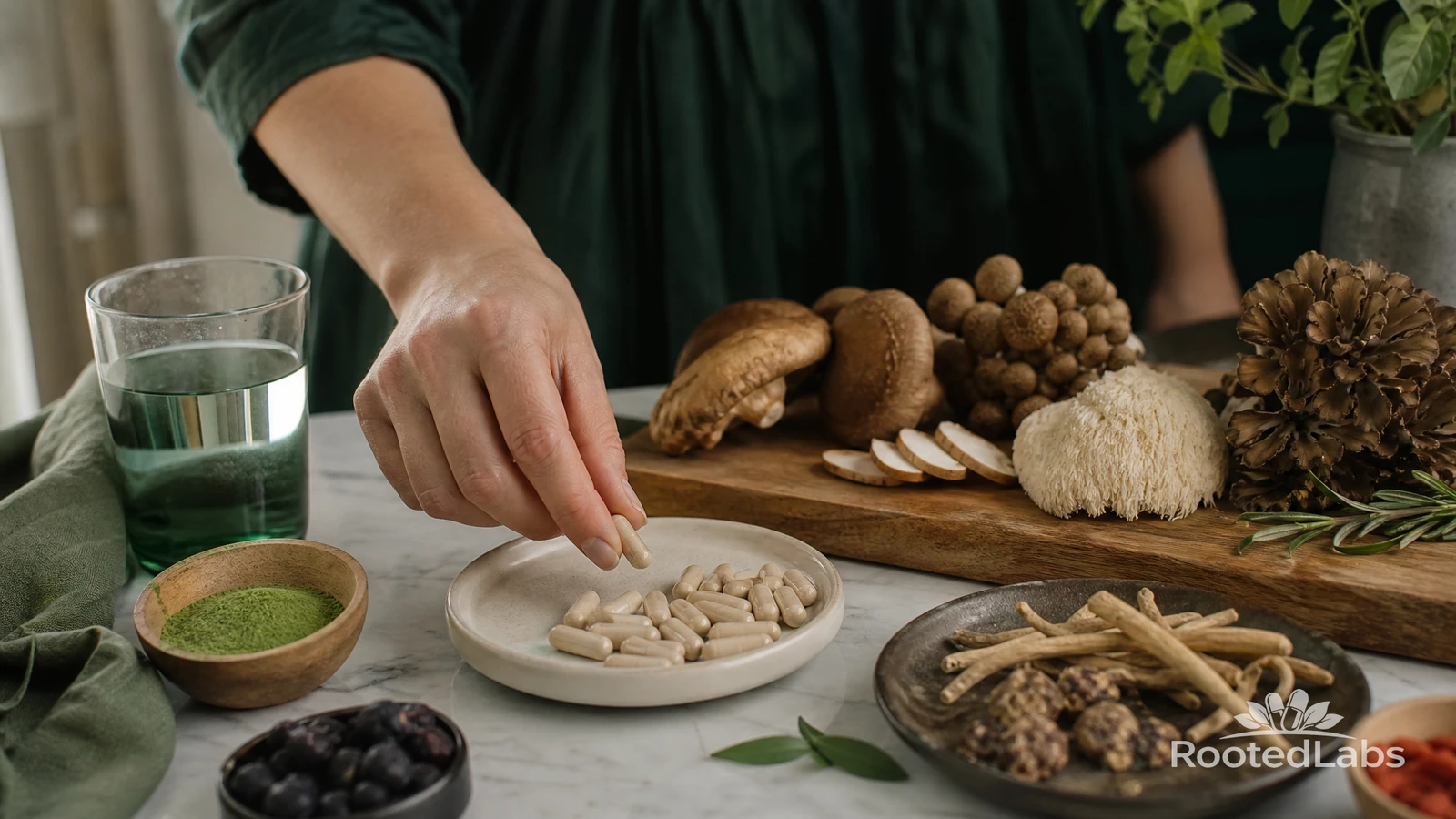
A supplement label can make antioxidant support sound simple: one ingredient, one big claim, one easy promise. In practice, antioxidant supplements vary widely in what they contain, how they are processed, and whether the stated serving delivers a meaningful amount of the compounds you are looking for. For people building a daily wellness routine, quality starts with the details that appear before the purchase - and the habit that follows it.
Antioxidants are part of the body's everyday defense system. They help address oxidative stress, a normal process associated with metabolism, exercise, environmental exposure, and aging. That does not mean a capsule can cancel out a poor diet, chronic lack of sleep, or an overloaded schedule. It means a well-made supplement may be a practical addition to the foundations that already matter: nutrient-dense food, movement, hydration, recovery, and consistent care.
What antioxidant supplements are meant to support
Oxidative stress occurs when reactive molecules outpace the body's antioxidant defenses. The body produces antioxidants on its own and also obtains antioxidant compounds from foods such as berries, leafy greens, beans, spices, tea, and mushrooms. This is one reason supplements should be viewed as support, not a replacement for a varied diet.
The useful question is not, "Does this ingredient have antioxidants?" Many plants and fungi do. A better question is whether the formula is made to deliver the relevant compounds in a reliable, transparent way.
A capsule containing a small amount of generic plant powder is not automatically equivalent to a standardized extract. Powders can have a place, especially when the goal is whole-food nutrition. But when a brand highlights specific bioactive components, extraction method, raw material, and standardization become more relevant. Those specifications help you understand what is consistently present from batch to batch.
Why standardized extracts matter
Mushrooms, botanicals, and spices are natural materials. Their composition can shift with species, growing conditions, harvest timing, and processing. Standardization is one way to reduce that uncertainty. It means an extract is tested or produced to meet a defined level of a stated compound or compound group.
For functional mushrooms, polysaccharides are commonly used as a quality marker. They are naturally occurring compounds in mushroom fruiting bodies and are often discussed in relation to immune and antioxidant support. A label that states both the extract amount and the polysaccharide standardization gives more context than a label that simply says "mushroom blend."
That distinction matters with Maitake. Some mushroom products rely heavily on mycelium grown on grain, which can leave a finished material containing substantial grain starch. Others use the fruiting body - the recognizable above-ground mushroom - and identify it clearly. Neither format should be judged by marketing language alone, but shoppers who specifically want mushroom fruiting-body extract should be able to verify it without guessing.
A clear formula might state the mushroom species, the part used, the extract amount per serving, and the standardization level. For example, 500 mg of Maitake fruiting-body extract standardized to 50% polysaccharides is a more informative starting point than a proprietary blend with no individual amounts listed.
Powder, extract, and filler are not interchangeable
Whole mushroom powder retains the broader makeup of the mushroom, but it may be less concentrated than an extract. Extracts use water, alcohol, or another process to concentrate selected compounds. The right choice depends on your goal, but the label should accurately represent what is in the capsule.
Filler is a separate issue. Capsule formulas may use flow agents or inactive ingredients for manufacturing, and some are necessary in small amounts. The concern is when a product presents grain-based material or an underdosed blend as though it were a high-potency mushroom extract. Transparent Supplement Facts and plain ingredient statements make it easier to see the difference.
Read the full formula, not just the front label
Antioxidant supplements often combine ingredients. That can be sensible when each component has a clear role and the doses are disclosed. It can also become a way to make a label look busy without establishing whether the formula is thoughtfully built.
Turmeric and ginger are familiar examples. Both have a long history of culinary and traditional use, and they contribute naturally occurring plant compounds to a daily routine. Black pepper extract is often included alongside turmeric because piperine may influence curcumin absorption. Magnesium citrate serves a different purpose as a mineral form, rather than an antioxidant ingredient itself.
The combination is not automatically better simply because it includes more ingredients. More can mean more potential for interactions, digestive sensitivity, or unnecessary overlap with what you already take. A useful formula keeps its purpose clear and does not hide behind a proprietary blend.
When comparing labels, look for four basics:
- The exact amount of every active ingredient per serving
- Whether mushroom material is fruiting body, mycelium, or a mixture
- A stated standardization for extracts when relevant
- The full inactive ingredient list, including capsule material
Vegan HPMC capsules, straightforward excipients, and a formula free from artificial fillers may be meaningful for shoppers who prioritize clean-label standards. Just as important, the label should make those choices easy to confirm.
Antioxidant support works best as a routine
The most effective supplement plan is usually the one you can follow without friction. A complex schedule may look impressive, but it is difficult to sustain during travel, busy workweeks, school drop-offs, and changing training schedules.
For many adults, taking a capsule with breakfast, coffee, or a regular meal is enough to create consistency. If a formula includes turmeric, taking it with food may be more comfortable for some people. The best timing is not always the most optimized timing on paper. It is the time you will remember and tolerate well.
Give a daily supplement routine time. Wellness supplements are not intended to act like a quick fix, and subjective changes can be influenced by sleep, stress, diet, and expectations. Instead of changing five products at once, introduce one formula at a time and pay attention to how it fits your routine over several weeks.
RootedLabs approaches this with a 500 mg standardized Maitake fruiting-body extract, organic turmeric, organic ginger, black pepper extract, and magnesium citrate in vegan capsules. The focus is straightforward: 100% fruiting body, 0% grain-based mycelium filler, with a disclosed 50% polysaccharide standardization and quality-controlled US manufacturing. These are practical specifications, not a promise of an overnight result.
Safety is part of supplement quality
Natural does not automatically mean appropriate for everyone. Botanical and mushroom supplements can interact with medications or be unsuitable in certain circumstances. Turmeric and ginger, for example, deserve extra consideration for people using blood-thinning medication or managing gallbladder concerns. People who are pregnant, nursing, preparing for surgery, managing a medical condition, or taking prescription medication should speak with a qualified healthcare professional before adding a new supplement.
It is also wise to review the total amount of similar ingredients across your routine. A multivitamin, greens powder, mushroom blend, turmeric capsule, and tea may all contribute overlapping compounds. More is not always more useful.
Choose brands that make responsible claims. Dietary supplements are not intended to diagnose, treat, cure, or prevent disease. A trustworthy brand can explain ingredient quality and general wellness support without turning normal health concerns into a sales pitch.
The standard worth keeping
A good antioxidant supplement should earn a place in your cabinet through clarity. You should know what the ingredient is, how much you are taking, what part of the plant or mushroom was used, and why the formula includes each component. You should also be able to take it without turning wellness into another demanding task.
Start with food, sleep, movement, and stress management. Then, if an antioxidant formula fits your needs, choose one built around standardized extracts, transparent amounts, and ingredients you recognize. Strong inside is rarely about chasing the loudest claim. It is built through small, steady choices you can keep making.