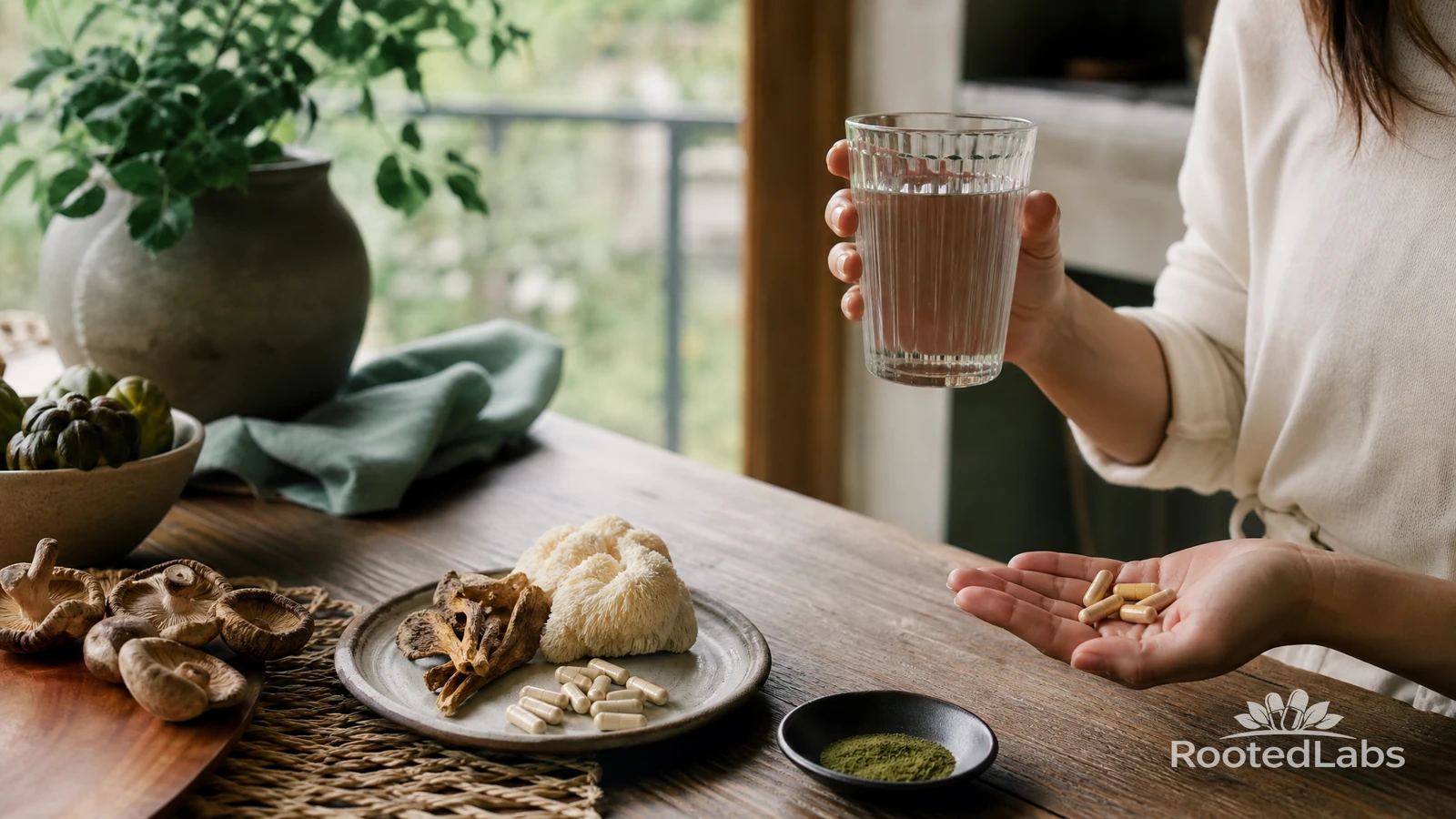
The best wellness routine supplements are rarely the ones with the longest ingredient panels or the boldest promises. They are the ones you understand, tolerate well, and remember to take on ordinary Tuesday mornings - not just during a motivated reset in January.
For most people, a useful supplement routine begins with a simple question: what is already consistent in my day? Breakfast, coffee, a post-workout shake, or filling a water bottle can become the cue. From there, choose formulas with a clear purpose, transparent amounts, and standards that make comparison possible.
Start With the Routine, Not the Bottle
A supplement can support a well-built lifestyle, but it cannot replace sleep, protein-rich meals, movement, hydration, or appropriate medical care. That is not a disclaimer designed to lower expectations. It is the practical reason routines work best when they are designed around the habits that already carry most of the load.
If your mornings are rushed, a complicated stack with powders, droppers, and several timing rules may not be realistic. If you are already taking prescriptions or managing a health condition, adding multiple botanicals at once can also make it harder to notice what agrees with you. A disciplined routine usually wins over an ambitious one.
Start by identifying one goal that fits daily wellness support: maintaining nutritional coverage, supporting regular digestion, filling a known dietary gap, or adding a functional mushroom formula to an established health routine. Then introduce one product at a time and give the habit enough time to become automatic.
What Makes a Supplement Worth a Daily Spot?
Daily use asks more from a supplement than novelty. The formula needs to be easy to take, reasonably simple to evaluate, and built with ingredients that serve a defined role. A label should let you answer three questions without guesswork: what is in it, how much is in it, and what form is it in?
Look Beyond Front-Label Language
Terms such as “mushroom blend,” “proprietary complex,” and “whole-food support” can sound appealing while revealing very little. For functional mushrooms, the distinction between powder, mycelium, and a standardized fruiting-body extract matters. Fruiting bodies are the visible mushroom structure. Mycelium is the root-like network used to grow fungi, and some products include substantial grain from the growing medium.
Neither a short label nor a familiar ingredient name automatically establishes quality. What matters is whether the manufacturer clearly identifies the material and provides meaningful specifications. A standardized extract is designed to provide a consistent level of selected compounds from batch to batch. With Maitake, polysaccharide standardization is a useful data point because it gives shoppers a concrete benchmark beyond a vague mushroom powder claim.
Favor Useful Amounts Over Ingredient Crowding
More ingredients do not necessarily create more value. A formula with ten botanicals may look comprehensive, but small undisclosed amounts make it difficult to assess. A focused formula can be easier to fit into a routine and easier to discuss with a healthcare professional when needed.
That does not mean every formula must contain one ingredient. Complementary ingredients can make sense when their roles are clearly stated. Turmeric and ginger, for example, are familiar botanicals often included in general wellness routines. Black pepper extract may be added alongside turmeric, while magnesium citrate is a recognizable form of magnesium. The point is not to collect ingredients. The point is to understand why each one is there.
A Practical Framework for the Best Wellness Routine Supplements
Build your routine in layers. First, handle basics that match your diet and clinician guidance, such as a nutrient you know you are missing. Next, consider a targeted daily formula that fits your broader wellness priorities. Finally, remove anything you do not use consistently or cannot clearly justify.
A simple check before buying can keep decisions grounded:
- Is the active ingredient and its amount listed clearly?
- Does the label identify the extract, plant part, or nutrient form?
- Are there unnecessary fillers, artificial colors, or vague proprietary blends?
- Does the serving format fit your actual schedule?
- Is the product made under quality-controlled conditions with transparent manufacturing information?
This framework is intentionally less exciting than chasing the newest wellness trend. It is also more likely to produce a routine you can maintain. Supplements tend to be most useful when they create less friction, not more.
Why Maitake Fits a Consistent Wellness Routine
Maitake has a long history of traditional use and a place in modern functional mushroom routines. People often choose it for broad immune and antioxidant wellness support rather than a short-term, dramatic effect. That makes it a natural candidate for routine-driven adults who prefer steady habits over occasional wellness bursts.
Quality is especially relevant in the mushroom category. Many shoppers want to avoid grain-based mycelium fillers and unclear mushroom-source claims. A formula made from 100% fruiting body gives a direct answer to that concern. Pair that with a disclosed standardization level, and it becomes much easier to compare one capsule product with another.
RootedLabs takes this focused approach with 500 mg of standardized Maitake fruiting-body extract, standardized to 50% polysaccharides, alongside organic turmeric, organic ginger, black pepper extract, and magnesium citrate. The formula uses vegan HPMC capsules and is made in the USA under quality-controlled manufacturing standards. It is 100% Fruiting Body, 0% Filler - a straightforward distinction for people who want to know what they are taking.
The formula is not positioned as a cure, treatment, or substitute for a healthy routine. It is designed as a practical addition to one: a capsule-based option for adults who prefer not to measure bitter mushroom powder or manage a complicated protocol.
Make Consistency Easier Than Skipping
The best time to take a daily supplement is often the time you will reliably remember. For many people, that means taking capsules with breakfast or placing the bottle beside a coffee maker, lunch container, or water glass. Taking supplements with food may also feel more comfortable for some people, particularly when a formula includes botanicals.
Use one visible cue, not five reminders. Keep the bottle where the action happens, while following storage directions on the label. If you travel frequently, set aside a small supply before a trip rather than assuming you will remember at the last minute.
Bottle size can support the habit, too. A 60-count bottle aligned with a 30-day supply is useful for trying a routine and evaluating whether it fits. A 120-count bottle aligned with a 60-day supply can reduce the chance that a good habit ends because the bottle ran out during a busy week. The better option depends on whether you are beginning a new routine or already know you will use it consistently.
Know When to Ask Before Adding a Supplement
Natural does not mean appropriate for every person or every situation. Speak with a qualified healthcare professional before starting a new supplement if you are pregnant or nursing, preparing for surgery, managing a medical condition, or taking medications. This is particularly sensible when considering formulas with botanicals, minerals, or black pepper extract, which may not be suitable alongside every medication plan.
Pay attention to your own response as well. If a product does not agree with you, stop taking it and seek professional guidance when appropriate. A good wellness routine is responsive, not rigid.
Choose the Formula You Can Stand Behind
The strongest daily routine is usually quiet. It does not require a counter full of bottles or a new promise every month. It asks for a clear label, a quality standard you can recognize, and a place in the day where taking it feels ordinary.
Choose supplements with enough transparency to earn that daily spot, then give consistency room to do its work.